

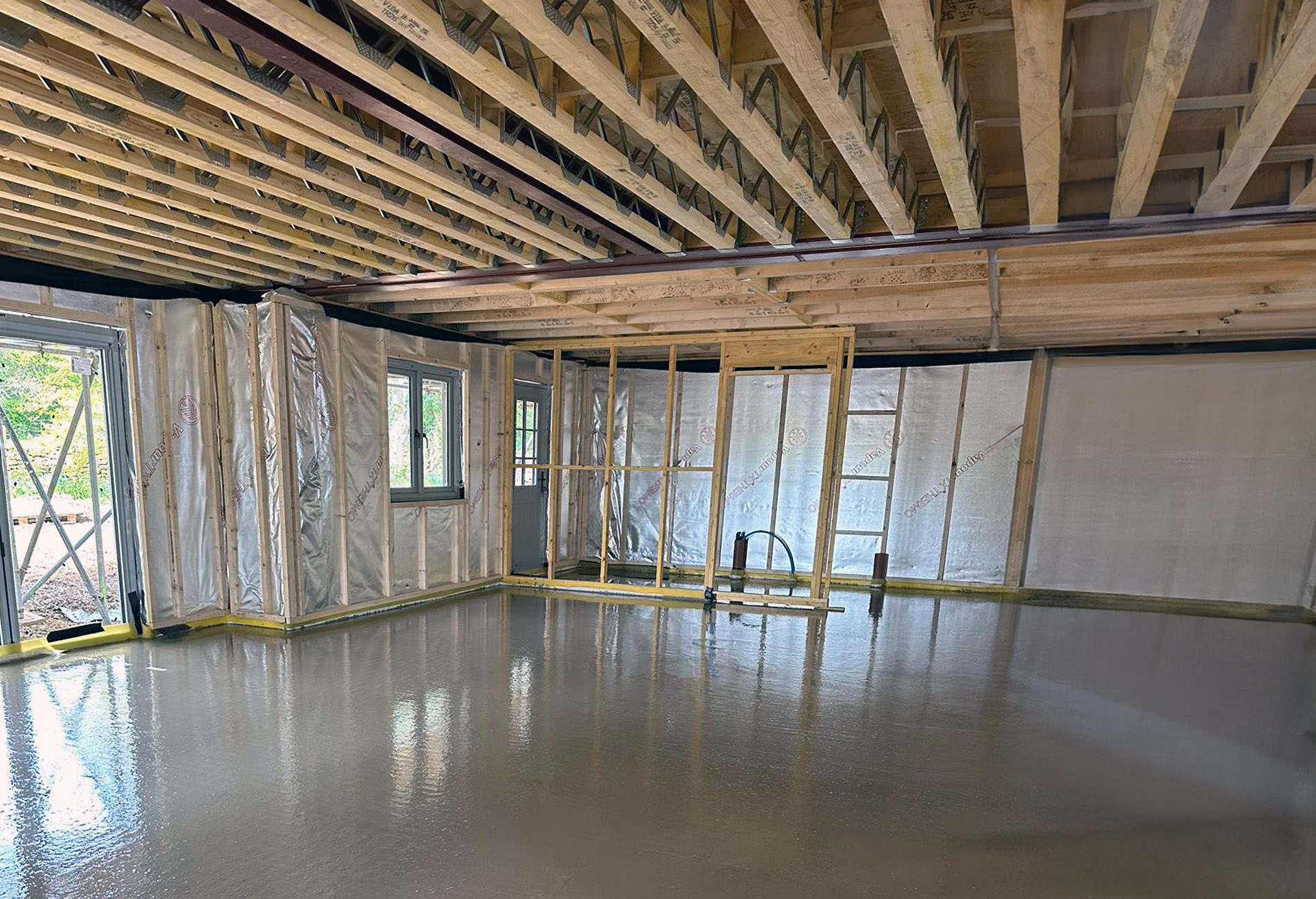
How long does quick drying screed take to dry? Quick drying screed typically reaches a moisture level suitable for floor coverings within 5 to 21 days, depending on the specific product and thickness. While traditional sand and cement screeds dry at a rate of 1mm per day (often taking 60+ days), rapid-dry versions use advanced cementitious binders to accelerate water evaporation. This allows for light foot traffic in 24 hours and significantly earlier installation of tiles, wood, or vinyl.
Why Time is Money in Modern Construction
Project delays are the biggest threat to any construction budget. In the past, builders had to wait months for floor slabs to cure before finishing a room. However, the introduction of quick drying screed has revolutionized the “first-fix” phase of building. By choosing a fast-track material, you keep the momentum of your project moving. This means tilers and decorators can get to work weeks ahead of schedule, reducing overall site overheads.
The Science Behind Rapid Drying Technology
Standard screeds rely on natural evaporation, which is slow and highly dependent on the weather. In contrast, specialized rapid-setting mixtures use chemical hydration to lock in water.
Advanced Cementitious Binders
These products contain high-performance additives that bind moisture internally. This process ensures the surface becomes hard enough to walk on almost immediately. Consequently, the risk of damage from other trades is greatly reduced. Because the water is consumed by the chemical reaction rather than just evaporating, the quick drying screed maintains its structural integrity throughout the curing process.
Precision Moisture Control
In a professional installation, we monitor the relative humidity of the slab. Using digital hygrometers, we can prove when the floor is ready for sensitive coverings. This data-driven approach removes the guesswork that often leads to flooring failures. Using quick drying screed provides peace of mind that your luxury finishes will stay bonded to the substrate.
Maximising Efficiency with Underfloor Heating
Underfloor heating (UFH) is a standard feature in many UK homes. Pairing it with a rapid-dry solution is a logical choice for efficiency.
Faster Thermal Cycling
Before you lay your final floor, you must “commission” the heating system. This involves a gradual heating cycle to stabilize the slab. With traditional materials, you must wait at least three weeks before turning the heat on. With quick drying screed, you can often start this process in just seven days. This further compresses your timeline, allowing you to finish the project much faster.
Improving Conductivity
The density of these specialized mixtures ensures excellent heat transfer. There are no air pockets to trap heat, so your rooms warm up rapidly. While the material cost is higher, the combined benefits of speed and energy efficiency make quick drying screed a smart investment for any nationwide developer or homeowner.
Expert Advice for a Flawless Finish
Preparation is key to a successful fast-track floor. Ensure your building is watertight and free from draughts before the pour. After installation, avoid “force-drying” the floor with industrial heaters too early, as this can cause surface cracking.
We bring years of expertise to sites across the UK. Our team ensures the mixture is perfect for your specific floor covering. Whether you are installing a resin floor in a warehouse or a parquet floor in a Victorian renovation, we have the right solution. Contact us today to learn how quick drying screed can transform your next project timeline.
Frequently Asked Questions
- Can I use quick drying screed for outdoor projects? No, these products are specifically designed for internal use in dry environments.
- Is a primer necessary before tiling? Yes, always use a high-quality primer to manage the suction of the dry screed.
- Does it require special equipment to install? We use professional pumping rigs to ensure a fast, consistent, and level application.
- How thick should I pour a rapid-dry floor? For most domestic projects over insulation, we recommend a minimum depth of 35mm to 40mm.
- Will it crack if it dries too fast? No, the specialized binders are engineered to prevent the shrinkage that causes cracking.
